
Bolgatanga’s Basket Industry Faces Raw Material Challenge
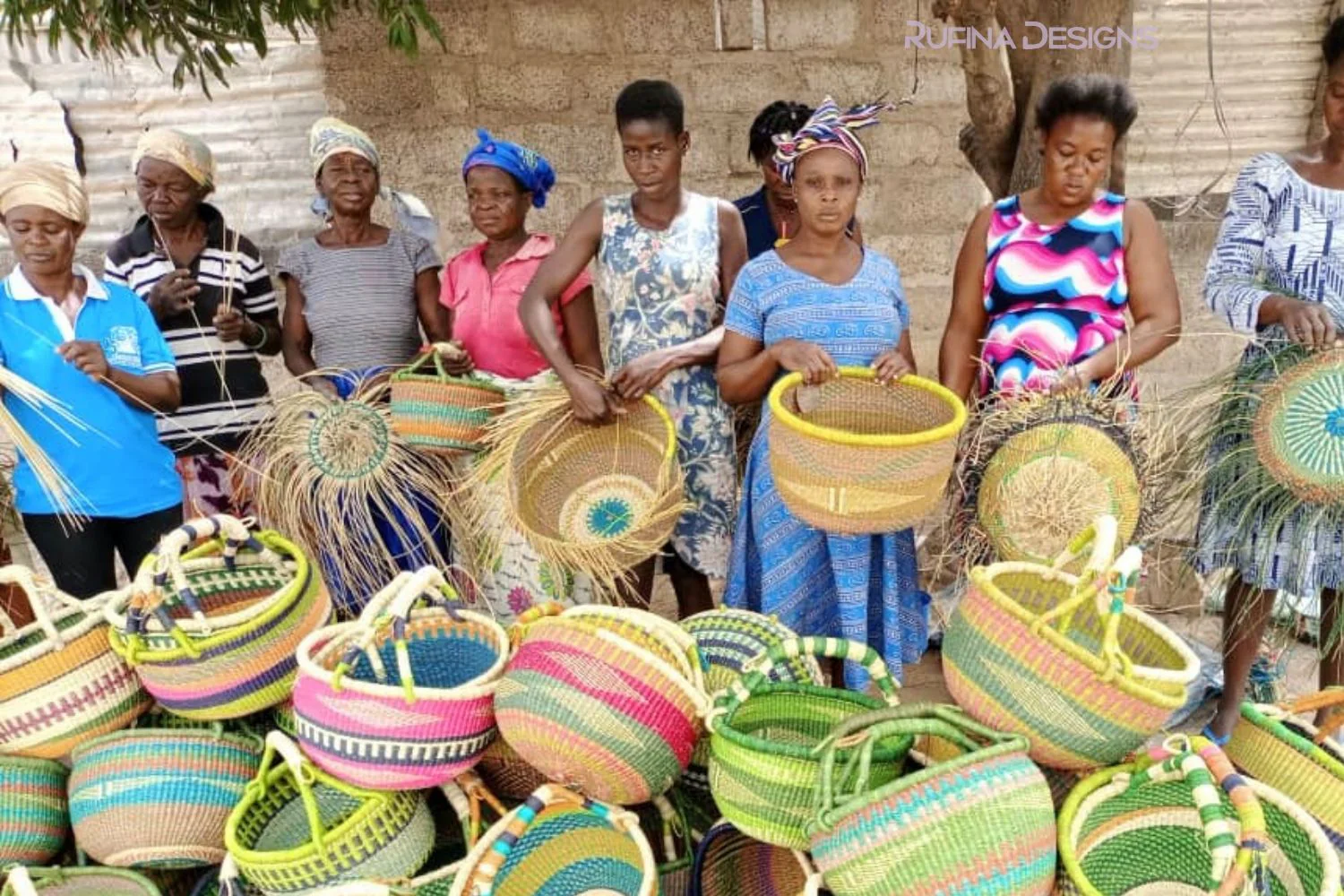
In Bolgatanga, widely regarded as the heart of Ghana’s basket-weaving industry, a growing concern is emerging among artisans and traders: the dwindling availability of quality elephant grass, the essential raw material behind the iconic Bolga basket. Known scientifically as Elephant grass, this resilient grass has long sustained a vibrant local economy, supporting thousands of livelihoods. However, the grass is not widely cultivated within Bolgatanga itself; instead, it grows largely in the wild in parts of southern Ghana, where it is often undervalued and left unprotected. As a result, it is frequently destroyed by bushfires, grazing animals, and land clearing for construction, further constraining supply to the northern weaving hubs. Coupled with erratic weather patterns and land degradation, these factors are intensifying shortages and exposing the vulnerability of the industry’s raw material base. This situation underscores the urgent need for deliberate local cultivation in and around Bolgatanga—leveraging the main rainy season and supported by irrigation during the dry season—to ensure a stable, sustainable supply of this critical resource.
Basket Dealers and Weavers: At the Center of the Value Chain
Basket dealers and weavers, who form the backbone of the industry, are being encouraged to move beyond traditional sourcing methods and champion the cultivation of elephant grass. Dealers, in particular, play a strategic role in aggregating demand and can drive structured farming initiatives by partnering directly with local growers. For weavers—predominantly women—access to a reliable supply of quality raw materials translates directly into increased productivity, consistent income, and improved product quality. Strengthening this segment ensures the sustainability of both livelihoods and craftsmanship.
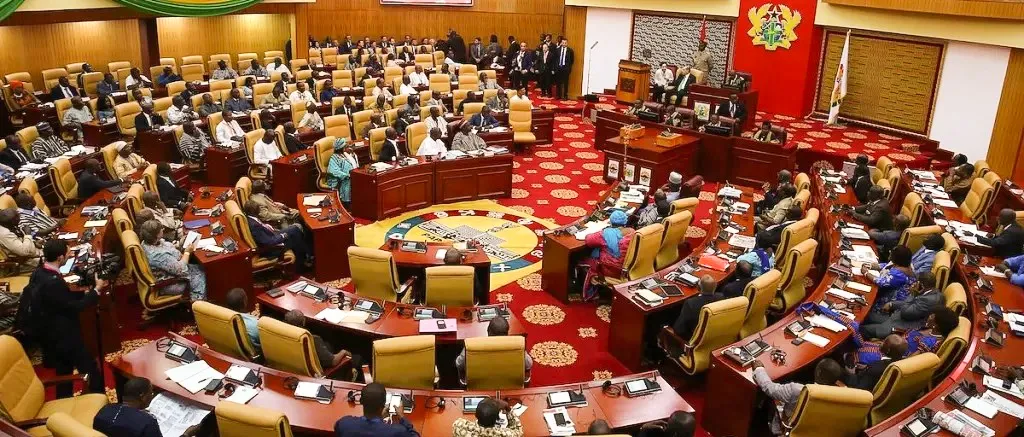
Stakeholders are calling on government institutions such as the Ministry of Food and Agriculture Ghana and the Ghana Export Promotion Authority to support structured elephant grass farming through policy, training, and resource allocation. Development partners and NGOs are equally critical in providing technical assistance, climate-resilient farming techniques, and access to funding. Interventions such as irrigation schemes, improved seedlings, and land access programs can significantly boost cultivation efforts, particularly in rural communities surrounding Bolgatanga.
Environmental Advocates: Promoting Natural Over Plastic Alternatives
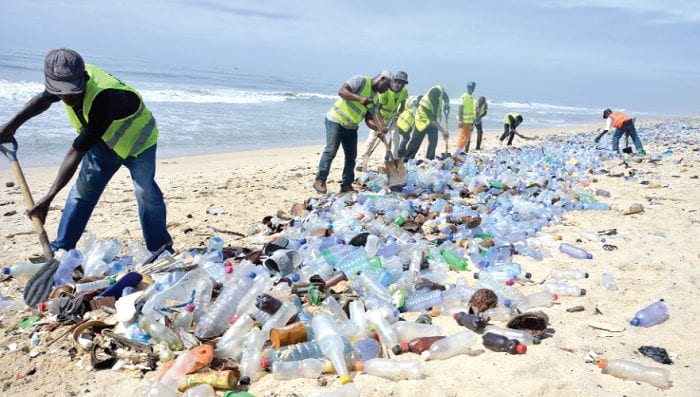
Environmental groups and sustainability advocates continue to emphasize the ecological advantages of hand-woven baskets made from natural fibers. Unlike plastic alternatives that contribute to long-term pollution and environmental degradation, baskets crafted from elephant grass are biodegradable, renewable, and environmentally friendly. By strengthening the raw material base, stakeholders can reinforce Bolgatanga’s position as a hub for eco-conscious production while aligning with global sustainability goals.
Collective Path Forward
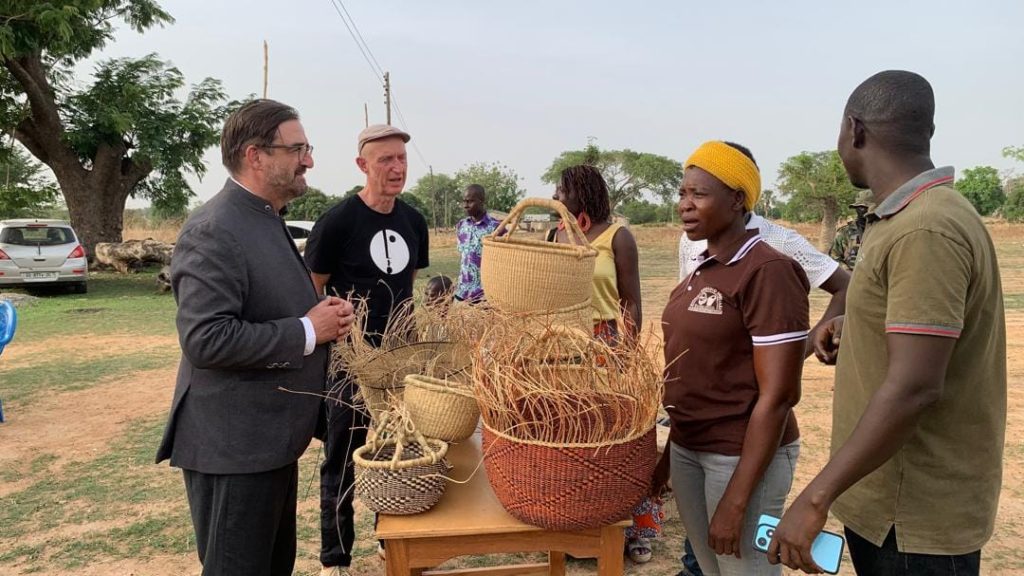
Exporters, retailers, and market intermediaries also have a vested interest in ensuring a stable supply of elephant grass. International demand for ethically sourced and handcrafted goods is on the rise, and Bolga baskets are highly regarded for their durability and cultural authenticity. However, inconsistent raw material supply threatens production volumes and quality standards. By investing in supply chain sustainability, market actors can protect and expand their access to premium global markets.
The future of the basket-weaving industry in Bolgatanga depends on a collaborative approach that brings together dealers, weavers, government agencies, development partners, and environmental advocates. Promoting the cultivation of Elephant grass is not only a practical solution to raw material shortages but also a strategic investment in economic resilience and environmental sustainability. With coordinated action, the industry can secure its foundation, empower local communities, and preserve a globally recognized symbol of Ghanaian craftsmanship.
